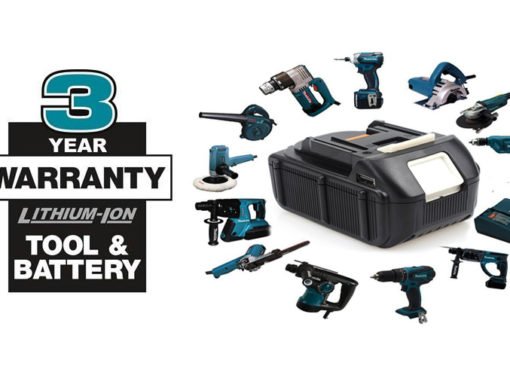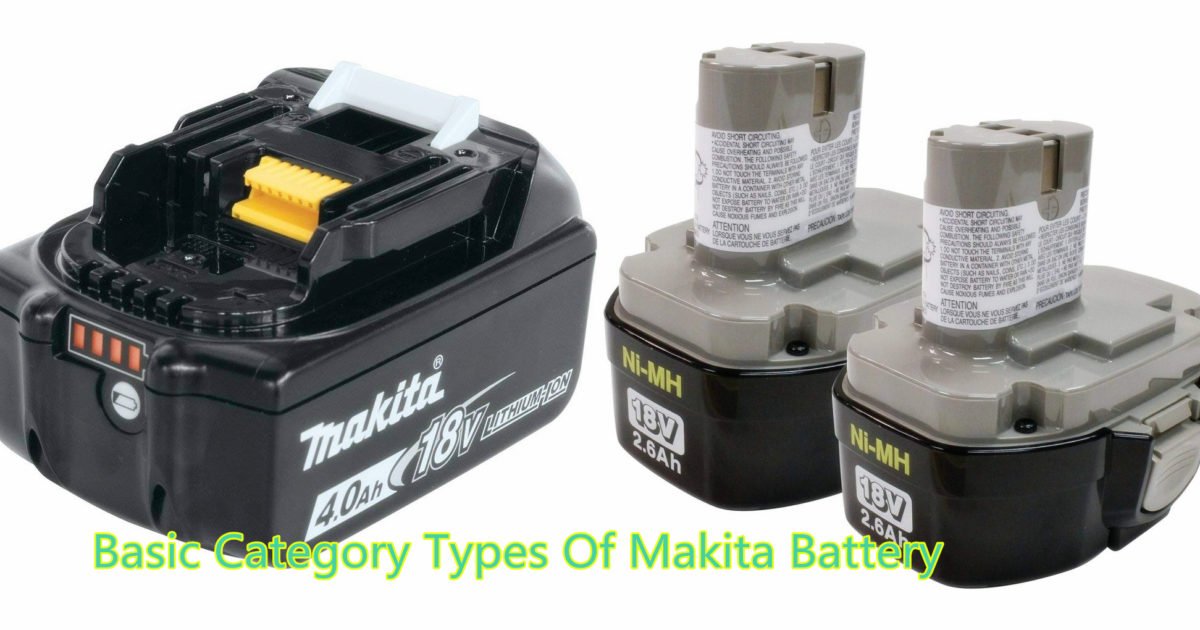
When it comes to powering Makita’s renowned cordless tools, understanding the different types of Makita batteries is essential for optimal performance, longevity, and value. Makita, a leader in power tool innovation, offers three core battery technologies—Ni-Cad, NiMH, and Lithium-Ion—each engineered to meet specific user needs, from budget-friendly options to high-performance powerhouses. In this guide, we’ll break down Makita battery types explained in detail, including their technical specifications, use cases, and comparative advantages, helping both professionals and hobbyists make informed decisions.
An Overview of Makita Battery Types
Makita’s battery lineup is built on three foundational chemistries, each with distinct characteristics that align with different tool demands and user preferences. Unlike generic or counterfeit batteries, genuine Makita batteries are crafted with high-grade raw materials, ensuring consistency, safety, and compatibility with Makita’s extensive tool range. Below is a detailed breakdown of each type, along with insights into their ideal applications—such as the right type of battery for Makita circular saw or the versatile makita 18v battery types.
1. Nickel-Cadmium (Ni-Cad) Makita Batteries
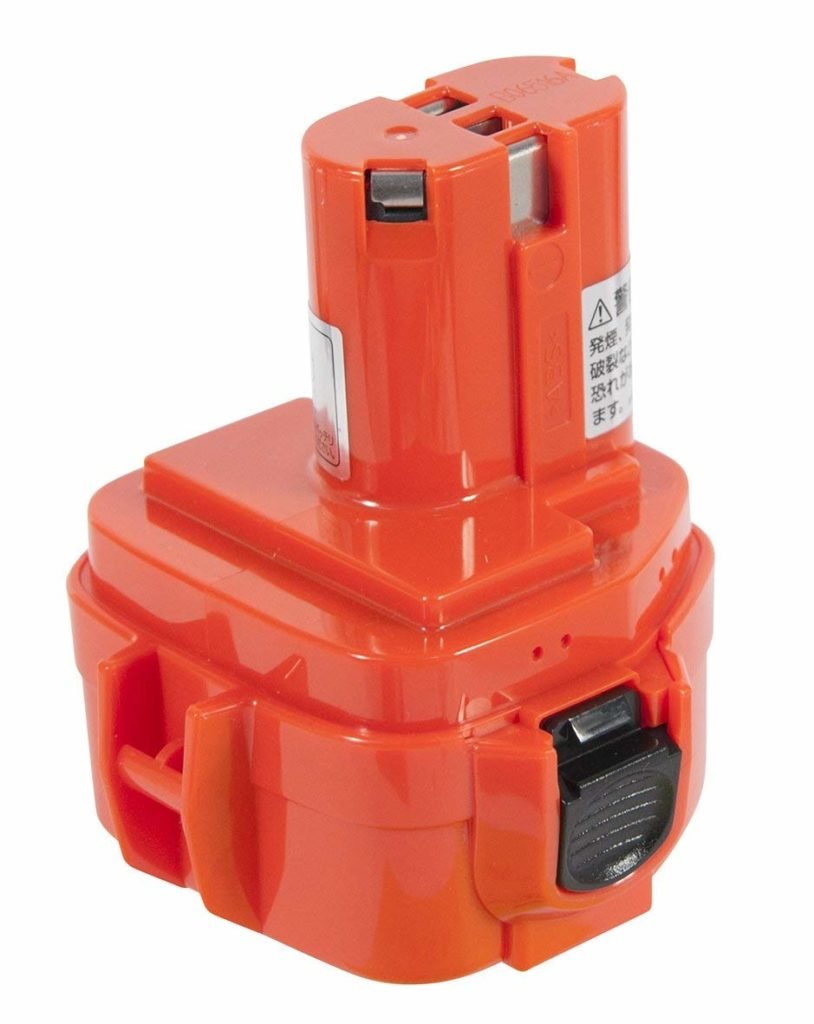
The Nickel-Cadmium (Ni-Cad) battery is the pioneering power source that launched Makita’s cordless tool revolution. Named for its electrodes—nickel oxyhydroxide (positive) and metallic cadmium (negative)—this battery type is defined by its robust performance in high-drain scenarios.
Key Technical Traits:
- Low internal resistance, enabling it to deliver high surge currents—perfect for power-hungry tools like impact wrenches, grinders, and early-model drills.
- Rechargeable design with a proven track record of durability, even in extreme temperatures (both hot and cold).
- Cost-effective price point, making it a popular choice for budget-conscious users or those with older Makita tools (e.g., the makita bdf452 battery type often defaults to Ni-Cad for legacy compatibility).
Considerations:
- Pronounced memory effect: If not fully discharged before recharging, the battery may “remember” a reduced capacity over time.
- Heavier and bulkier compared to newer technologies, which can add fatigue during extended use.
- Cadmium content requires proper disposal (recycling programs are recommended to minimize environmental impact).
Ideal For:
- Users with older Makita tools that rely on Ni-Cad compatibility.
- Occasional use or projects where cost is a primary concern.
- Tools requiring short bursts of high power (e.g., cordless hammer drills, reciprocating saws).
2. Nickel-Metal Hydride (NiMH) Makita Batteries
Developed as an upgrade to Ni-Cad, the Nickel-Metal Hydride (NiMH) battery retains the positive nickel oxyhydroxide electrode but replaces cadmium with a hydrogen-absorbing alloy in the negative electrode. This shift addresses key limitations of Ni-Cad while enhancing energy storage.

Key Technical Traits:
- 2–3 times higher energy density than Ni-Cad, meaning longer runtimes per charge—ideal for tools used for extended periods (e.g., Makita circular saws, sanders).
- No memory effect, allowing for partial charges without compromising long-term capacity.
- Environmentally friendlier than Ni-Cad, as it eliminates toxic cadmium.
Considerations:
- Lower surge current capacity: Less suitable for high-amperage tools that demand sudden power bursts (e.g., heavy-duty impact drivers).
- Slightly higher self-discharge rate than Lithium-Ion, so it may lose charge if stored unused for extended periods.
- Moderate price point—more expensive than Ni-Cad but more affordable than Lithium-Ion.
Ideal For:
- Users seeking longer runtimes than Ni-Cad without the premium cost of Lithium-Ion.
- Tools with moderate power demands (e.g., jigsaws, orbital sanders, mid-range drills).
- Eco-conscious users prioritizing cadmium-free technology.
3. Lithium-Ion (Li-Ion) Makita Batteries
Lithium-Ion (Li-Ion) is the current gold standard in Makita battery technology, prized for its unrivaled balance of power, weight, and longevity. Its performance is highly dependent on manufacturing quality—Makita uses premium-grade cells and strict production processes to ensure superiority over generic Li-Ion batteries.

Key Technical Traits:
- Highest energy-to-weight ratio: Delivers maximum power while remaining lightweight, reducing user fatigue during all-day use.
- No memory effect and minimal self-discharge (loses only ~5% charge per month in storage), ensuring readiness when needed.
- Exceptional surge current capacity—surpassing even Ni-Cad—making it suitable for the most demanding tools (e.g., 18V Makita angle grinders, high-torque impact wrenches).
- Wide compatibility with modern Makita tools, including the extensive line of makita 18v battery types (e.g., BL 1830, BL 1850, BL 1860) that offer varying capacities for different needs.
Considerations:
- Highest upfront cost: A premium investment, but justified by longer lifespan (hundreds of charge cycles) and superior performance.
- Requires compatible chargers (Makita’s Rapid Optimum Charger technology optimizes charging speed and battery life).
- Sensitive to extreme temperatures—best stored in moderate conditions to preserve capacity.
Ideal For:
- Professionals (contractors, woodworkers, mechanics) who rely on tools for daily, high-intensity use.
- High-performance tools like 18V Makita circular saws, brushless drills, and cordless nail guns.
- Users seeking long-term value and minimal downtime (faster charging and longer cycle life reduce replacement frequency).

Makita Battery Types Chart: At-a-Glance Comparison
To simplify your decision-making, here’s a concise chart highlighting the key differences between Makita’s three battery types:
| Feature | Ni-Cad | NiMH | Lithium-Ion |
|---|---|---|---|
| Energy Density | Low | Medium-High | Highest |
| Surge Current Capacity | High | Low-Medium | Highest |
| Memory Effect | Pronounced | None | None |
| Self-Discharge Rate | Low | Moderate | Very Low |
| Weight | Heaviest | Moderate | Lightest |
| Price Point | Most Affordable | Mid-Range | Most Expensive |
| Ideal Tools | Legacy tools, high-surge | Moderate-drain tools | High-performance, daily-use tools |
| Environmental Impact | Cadmium-containing (recycle required) | Cadmium-free | Cadmium-free |
Key Considerations When Choosing Makita Battery Types
- Tool Compatibility: Ensure the battery matches your tool’s voltage and chemistry requirements. For example, the makita bdf452 battery type is typically Ni-Cad, while modern 18V tools require Li-Ion batteries like the BL 1850.
- Usage Pattern: Professionals using tools all day benefit from Li-Ion’s long runtime and fast charging, while occasional users may opt for Ni-Cad or NiMH to save costs.
- Project Demands: High-power tasks (e.g., cutting thick lumber with a Makita circular saw) require Li-Ion’s surge capacity, while light sanding or drilling can work with NiMH.
- Long-Term Value: While Li-Ion has a higher upfront cost, its hundreds of charge cycles and minimal capacity loss make it more cost-effective over time compared to frequent Ni-Cad replacements.
Why Choose Genuine Makita Batteries?
Counterfeit Makita batteries may seem appealing due to lower prices, but they lack the quality control, safety features, and compatibility of genuine products. Genuine Makita batteries:
- Are engineered to match Makita tools’ power requirements, preventing damage to both the battery and tool.
- Undergo rigorous testing for overheating, overcharging, and short-circuit protection.
- Offer consistent performance, ensuring your projects stay on track without unexpected battery failure.
Whether you’re replacing a battery for a legacy tool or investing in a new 18V Li-Ion pack, buying genuine Makita ensures you get the most out of your power tools.
Final Thoughts
Makita battery types—Ni-Cad, NiMH, and Lithium-Ion—each serve distinct purposes, from budget-friendly legacy compatibility to high-performance professional use. By understanding their technical differences, use cases, and comparative advantages, you can select the perfect battery for your tools and projects. For most modern users, Lithium-Ion (especially the versatile makita 18v battery types) is the top choice, offering unbeatable power, weight, and longevity. However, Ni-Cad and NiMH remain viable options for specific needs, such as budget constraints or older tool compatibility.
Investing in genuine Makita batteries guarantees the reliability and performance that have made Makita a trusted name in power tools. With the right battery, your Makita tools will deliver consistent results, project after project.